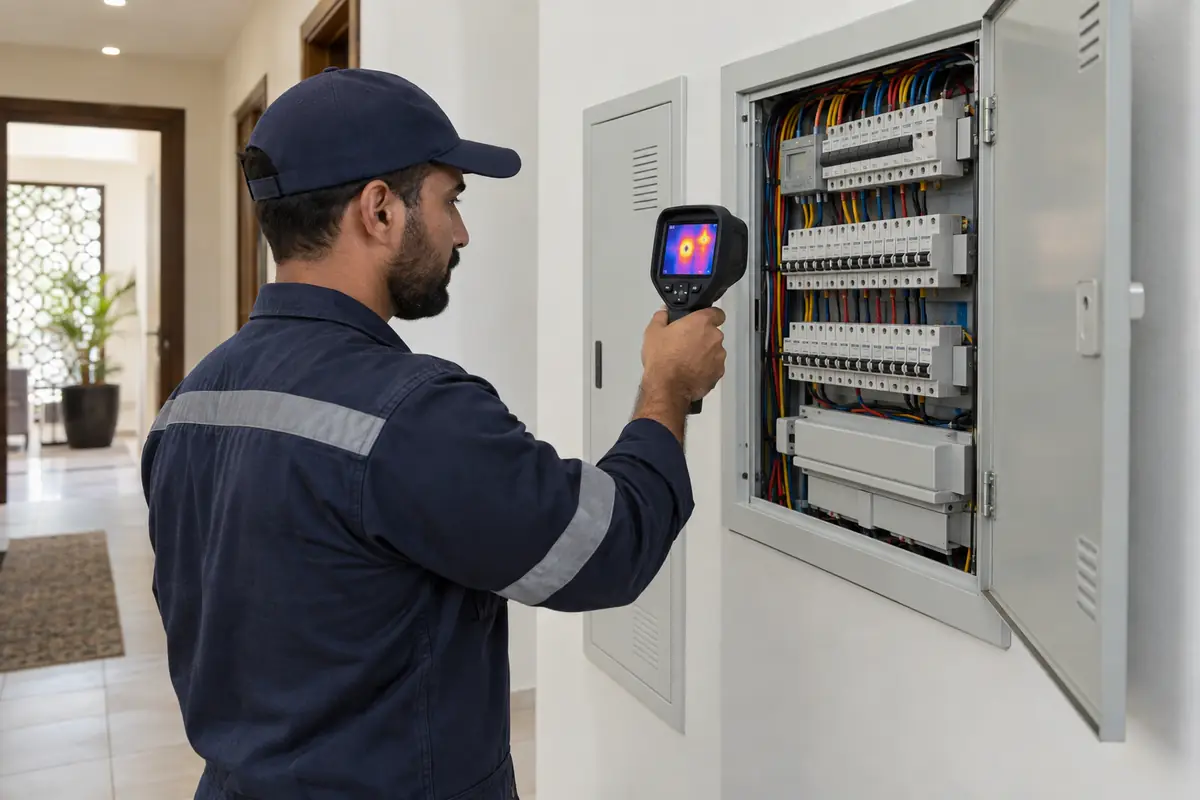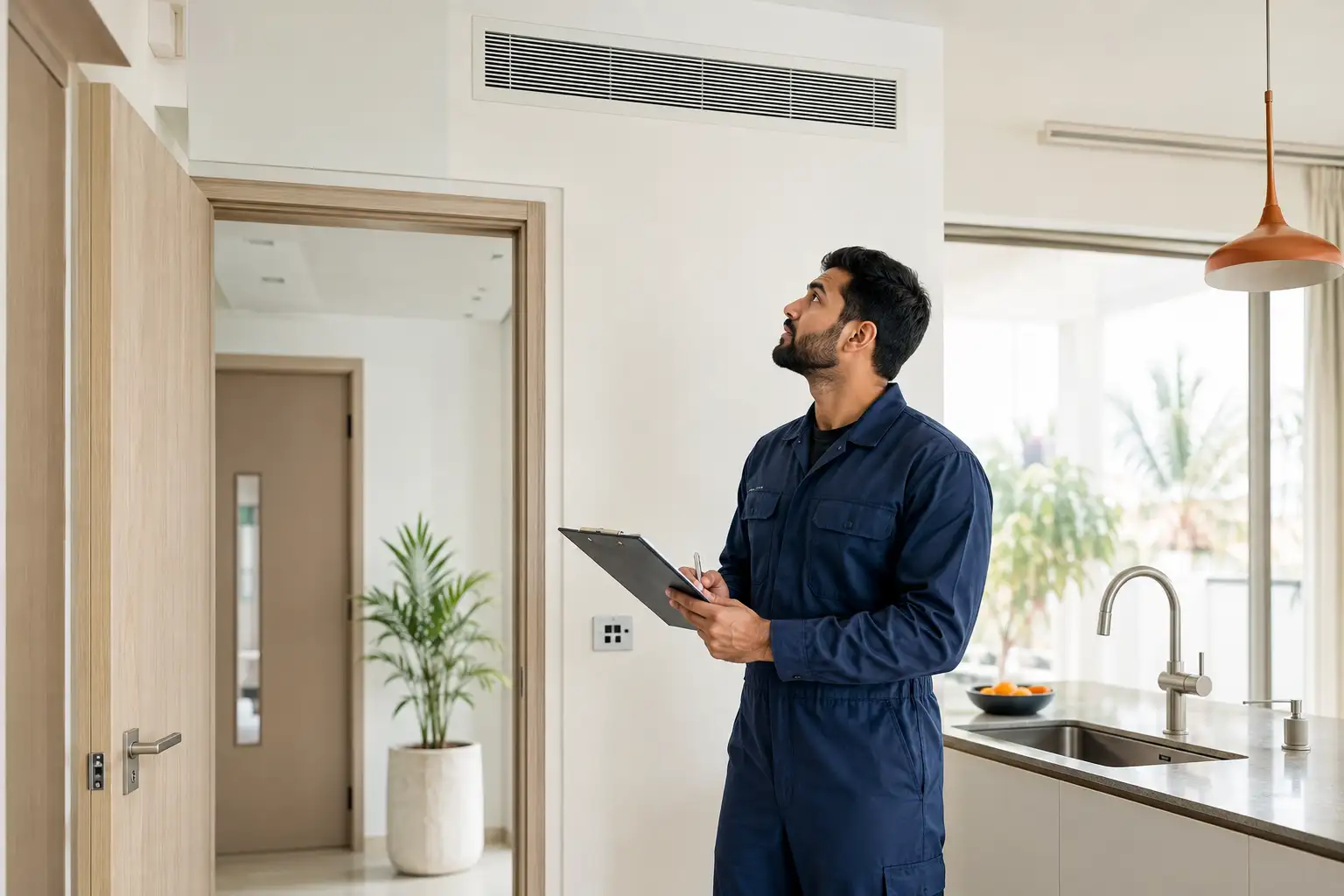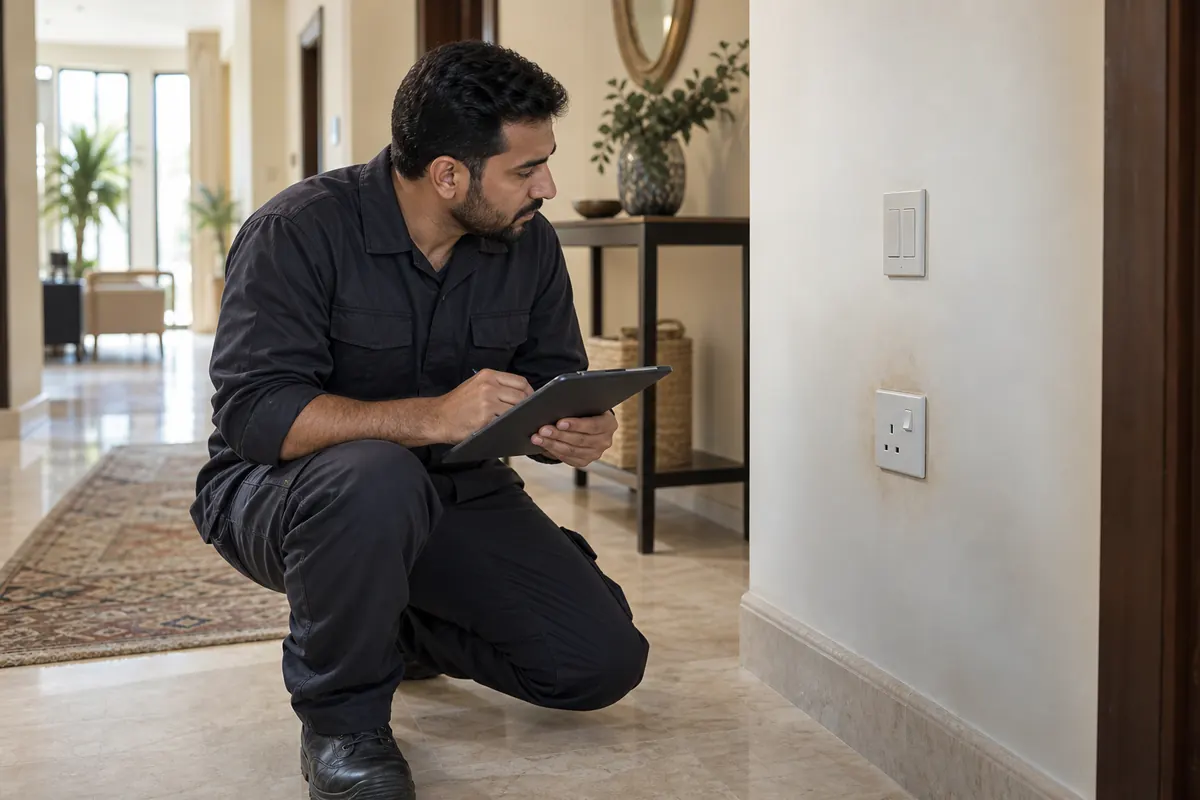


This home electrical safety checklist helps you spot these signs without needing to open equipment or test live parts.
The goal is simple:
Check what you can safely see, note anything unusual, and know when a professional electrical inspection may be needed.
Before You Start: Keep the Check Visual
A homeowner's electrical safety check should remain limited to visible and obvious warning signs.
You can look for:
- Visible damage
- Discoloration
- Scorch marks
- Damaged cords
- Unusual smells
- Unusual sounds
- Repeated flickering
- Moisture near electrical fittings
- Changes in how electrical points behave
Do not:
- Remove socket or switch covers
- Open the DB board
- Touch exposed wires
- Test live circuits
- Replace breakers
- Dismantle electrical fittings
- Carry out electrical measurements
A homeowner checklist is not a professional electrical inspection.
Quick Home Electrical Safety Checklist
Check these areas around your home:
- Plugs and visible cords
- Sockets and switches
- Discoloration or scorch marks
- Burning or unusual electrical smells
- Sparks or crackling
- Circuit breakers that keep tripping
- Extension cords and power strips
- Water near electrical points
- Lighting that repeatedly flickers
- Appliance plugs and cords
- AC-related electrical warning signs
- Outdoor electrical points where applicable
- Access around the DB board
- Electrical problems that keep returning
If something looks unsafe, do not open it to find the cause.
Check Plugs and Visible Electrical Cords
Inspect cords and plugs that are easy to see.
Look for:
- Cracked insulation
- Split cable covering
- Exposed internal wires
- Damaged plugs
- Crushed cords
- Melted or heat-damaged areas
- Loose or damaged connections
A visibly damaged cord should not be treated as normal simply because the appliance still works.
Avoid continuing normal use of clearly damaged electrical equipment until it has been properly assessed.
Check Sockets and Switches
Look at accessible sockets and switches.
Warning signs may include:
- Cracks
- Loose fittings
- Discoloration
- Scorch marks
- Melted areas
- Burning smells
- Crackling sounds
- Visible sparking
Do not remove the faceplate to investigate. The checklist stops at noticing the problem.
Watch for Heat, Burning Smells, or Scorch Marks
Heat damage and burning smells deserve attention.
Possible warning signs include:
- Dark marks around a socket
- Melted-looking plastic
- A repeated burnt smell
- Smoke
- A fitting that appears damaged by heat
Do not try to locate an internal electrical fault by opening the fitting. If there’s smoke, fire, or another danger, stay clear of the area. Get emergency help right away.
Watch for Repeated Sparks or Crackling
Repeated sparking or crackling is not something to ignore.
Pay attention if you notice:
- Sparks from a socket
- Sparks from a switch
- Repeated crackling
- Damage around the same electrical point
- A burnt smell in the same location
Do not try to repair the point by opening it yourself. Further electrical assessment may be needed.
Note Circuit Breakers That Keep Tripping
A breaker may trip when an abnormal electrical condition occurs. One trip does not identify the exact cause.
However, repeated trips should be taken seriously.
Note whether:
- The same breaker keeps tripping
- It trips when a certain appliance runs
- It trips when the AC starts
- Tripping happens with an unusual smell or sound
- The problem returns after the breaker is reset
Do not keep resetting a breaker again and again without understanding why the problem is occurring.
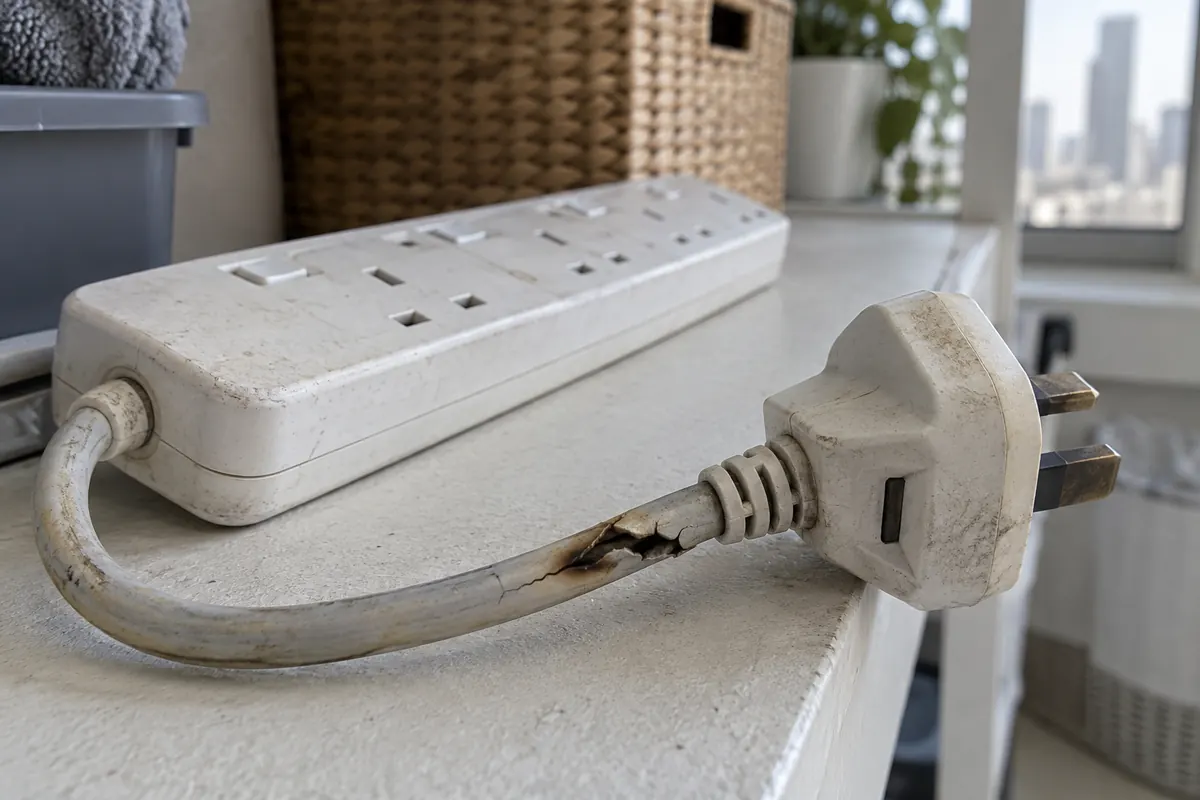
Check Extension Cords and Power Strips
Look at extension cords and power strips for visible problems.
Check for:
- Damaged cables
- Cracked plastic
- Loose sockets
- Heat damage
- Burn marks
- Too many devices are connected
- One extension lead connected to another
A damaged or overheating extension lead should not be treated as normal household wear.
Keep Water Away From Electrical Points
Water and electricity need extra caution.
Look for:
- Plumbing leaks near sockets
- Dampness around switches
- Water near extension cords
- Moisture around appliances
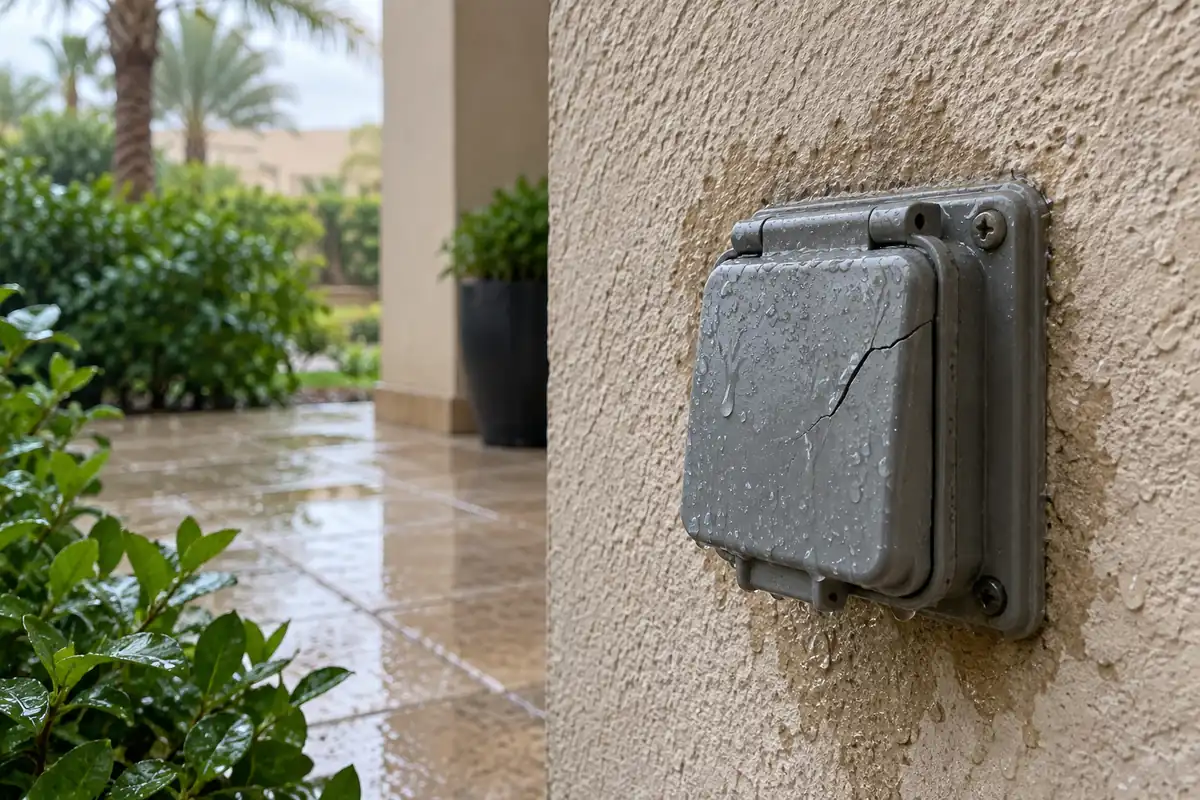
- Wet outdoor electrical points
- Water around electrical equipment
Do not touch wet electrical equipment just to inspect it. If water touches an electrical fitting or appliance, stay away from that area. Get professional help right away.
Check Lights for Repeated Changes
Lighting can give useful clues about the electrical condition.
Watch for:
- Repeated flickering
- Lights cut in and out
- Unusual sounds
- Visible damage
- Discoloration around fittings
- The same lighting problem is returning
A single brief flicker does not always prove that there is an electrical fault; repeated changes are more useful warning signs.
Check Appliance Plugs and Cords
Look at visible appliance connections.
Check for:
- Damaged plugs
- Cracked cables
- Loose connections
- Heat damage
- Discoloration
- Burn marks
- Repeated sparking
If the same appliance connection keeps causing a problem, stop treating it as a one-time event. Further inspection may be needed.
Check AC-Related Electrical Warning Signs
AC systems can also show electrical warning signs.
Note:
- Repeated breaker trips when the AC runs
- An unusual electrical smell
- Visible cable damage
- Repeated unexpected stopping
- Unusual electrical sounds
Do not open AC electrical panels or controls to find the cause. The issue may need an AC or electrical inspection depending on the actual fault.
Check Outdoor Electrical Points Where Applicable
For villas and townhouses, also look at accessible outdoor electrical fittings.
Check for:
- Damaged covers
- Cracked fittings
- Loose sockets
- Visible, exposed wiring
- Moisture
- Visible damage after outdoor work or weather exposure
Do not open outdoor electrical enclosures. Visible damage or moisture may be enough reason to arrange for further inspection.
Keep the DB Board Area Accessible
Keep the area around the DB board clear so it can be reached when needed.
From outside the panel, you may notice:
- Visible external damage
- An unusual smell
- An unusual sound
- Another clear change in normal conditions
Do not:
- Remove the DB board cover
- Touch internal wiring
- Tighten connections
- Replace breakers
- Test internal components
Internal DB board checks belong to professional electrical work.
Pay Attention to Problems That Keep Returning
Recurring electrical warning signs matter.
Examples include:
- The same breaker keeps tripping
- The same light flickers repeatedly
- The same socket shows heat damage
- A burning smell returns
- Sparking happens more than once
- The same appliance connection causes repeated problems
Record:
- Where the problem happens
- When it happens
- What equipment is being used
- Whether the problem has occurred before
This information can help during a professional inspection.
What Are the Main Electrical Hazards to Watch for at Home?
Common warning areas include:
- Damaged or exposed wiring
- Heat-damaged sockets or switches
- Water near electrical fittings
- Damaged extension leads
- Repeated sparking
- Repeated breaker trips
- Exposed electrical parts
- Unsafe DIY electrical work
The safest homeowner role is to notice the hazard without opening or testing the electrical system.
What Are Common Electrical Safety Checklist Mistakes?
Avoid these mistakes:
- Ignoring a damaged cord
- Continuing to use a visibly damaged socket
- Ignoring a recurring burning smell
- Repeatedly resetting a tripped breaker
- Ignoring sparks or scorch marks
- Using damaged extension leads
- Ignoring water near electrical points
- Opening the DB board yourself
- Touching exposed wiring
- Attempting socket or switch repairs without the right skills
A checklist should help you recognize problems, not encourage you to repair them yourself.
Which Electrical Warning Signs Need Faster Attention?
Some electrical warning signs deserve faster action.
These include:
- Smoke
- Active burning
- Strong burning smells
- Significant or repeated sparking
- Clearly exposed electrical conductors
- Water reaching electrical equipment
- Electric shock or tingling from equipment
- Severe visible heat damage
- Scorch marks linked with other warning signs
- Repeated breaker trips with another electrical symptom
If there is an immediate electrical hazard, keep away from the affected area and seek appropriate help.
When Should You Get a Professional Electrical Inspection?
Professional electrical inspection may be useful when:
- Breakers repeatedly trip
- Sockets or switches show heat damage
- Burning smells keep returning
- Lights repeatedly flicker
- Sparking appears
- Wiring is visibly damaged
- Water has affected electrical fittings
- Several electrical points show problems
- The same issue returns after earlier work
- The cause cannot be checked safely
You do not need to diagnose the internal fault yourself. Describe what you noticed, where it happened, and whether it has happened before.
Frequently Asked Questions
What should a home electrical safety checklist include?
Check visible plugs and cords; Inspect sockets and switches; Look at extension leads and lighting; Examine appliance connections; Monitor breaker behavior; Note any electrical smells or sparks; Watch for moisture near electrical points; Keep track of recurring problems.
What are the main electrical hazards in a home?
Common hazards are damaged wiring, heat-damaged sockets, and water near electrical fittings. Other risks include damaged extension leads, sparks, repeated breaker trips, and exposed electrical parts.
What electrical problems can I safely check myself?
You can look for damaged cords, discoloration, scorch marks, and visible sparks. Check for flickering lights, unusual smells, and moisture near electrical fittings. Do not open electrical equipment or test live parts.
Is a warm or discolored socket a warning sign?
Unusual heat, discoloration, melting, scorch marks, or a burnt smell may mean the electrical point needs checking. Avoid removing the socket cover to investigate.
Why does my circuit breaker keep tripping?
Repeated breaker trips can have several possible electrical causes. The trip itself does not tell you which component is responsible. Repeated trips may need a professional inspection.
Should I keep using a damaged electrical cord?
A visibly damaged cord should not be treated as safe simply because the appliance still operates. Avoid normal use until the condition has been properly assessed.
Why do my lights keep flickering?
Repeated flickering can have more than one cause. If it keeps happening or affects several lights, further electrical inspection may be useful.
What should I do if water is near an electrical point?
Do not touch wet electrical equipment or fittings. Keep away from the affected area and arrange for appropriate professional help.
Is it safe to open the DB board to inspect a problem?
No. Homeowners should not remove the cover, touch internal wiring, replace breakers, or perform testing inside the DB board.
Which electrical warning signs need faster attention?
Smoke, active flames, strong burning odors, and noticeable sparks need immediate attention. Exposed wires, electric shocks, severe heat damage, and water near electrical devices also require urgent action.
When should I get a professional electrical inspection?
Get a professional inspection if warning signs keep coming back. Also, if multiple electrical points are affected, or you see visible damage, it’s time to call an expert. If water has reached electrical fittings, or if you can't check the source safely, get help right away.
Need Help With an Electrical Safety Concern?
If your Dubai home has issues like repeated breaker trips, damaged sockets, flickering lights, unusual smells, or visible wiring damage, reach out to RapidixHome.
Please share the property type, your Dubai area, the affected electrical point, and what you have noticed.
This information can help us determine if you need an inspection, repair, or other electrical services.