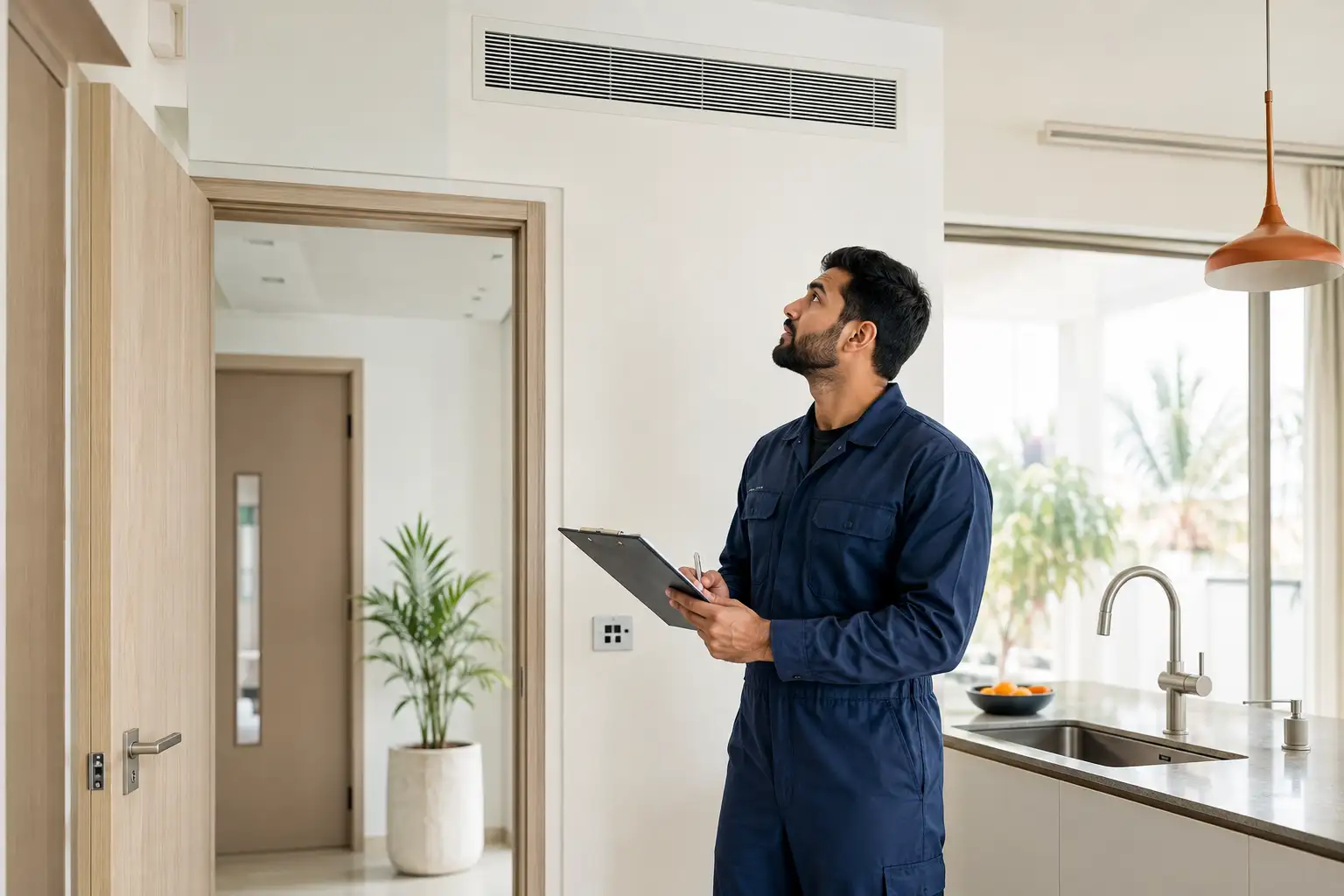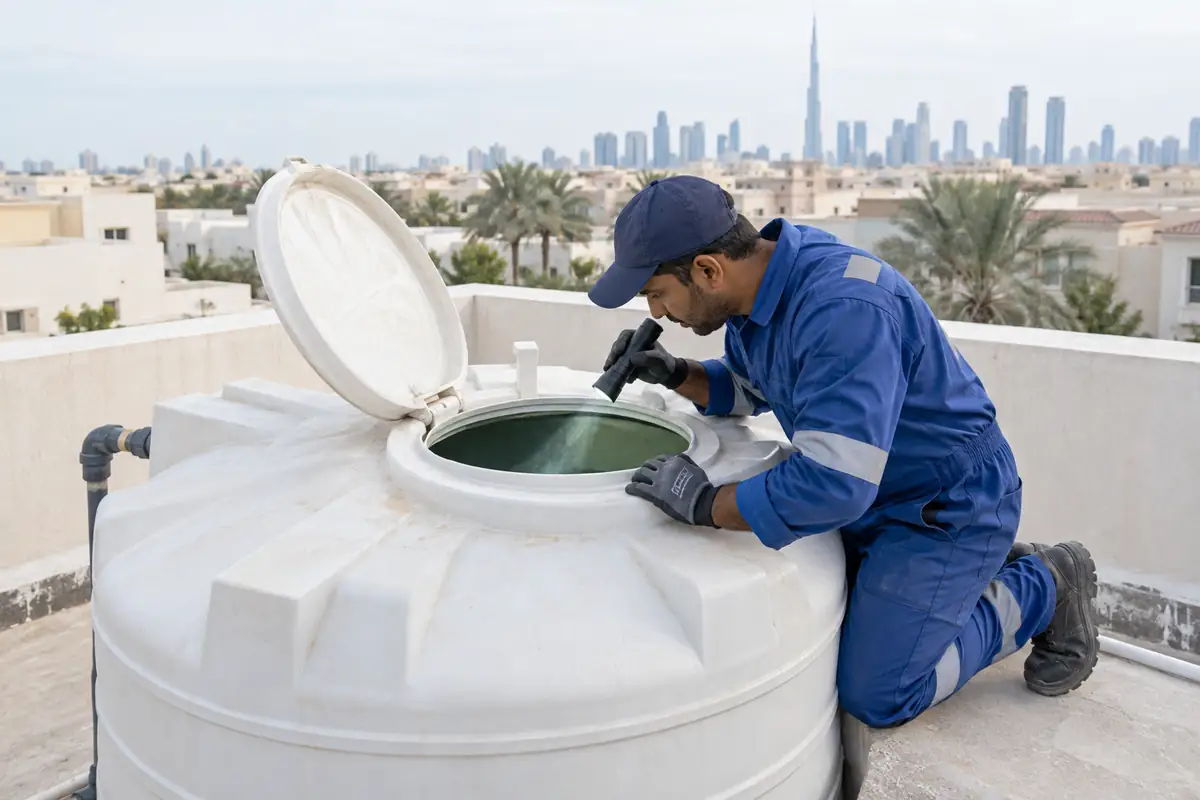


Preventive maintenance looks for early warning signs. It helps avoid waiting for an AC to stop cooling, a leak to spread, or an electrical issue to worsen. Timely action is key.
It cannot prevent the need for every repair. It can, however, help you notice changes earlier and make better maintenance decisions.
What Is Preventive Home Maintenance?
Preventive home maintenance is planned care that helps identify problems before they become more serious.
It may involve:
- Watching for changes in system performance
- Acting on small leaks
- Paying attention to repeated faults
- Tracking past repairs
- Looking into unusual sounds, smells, or moisture
- Handling minor wear before it worsens
The goal is not to repair things that are working normally. Instead, focus on noticing when something starts to change.
What Is the Purpose of Preventive Maintenance?
Preventive maintenance helps you stay aware of the condition of your home.
It can help you:
- Find warning signs earlier
- Reduce problems caused by neglect
- Track issues that keep returning
- Plan work before a problem becomes more disruptive
- Keep a useful history of repairs and maintenance
- Decide which issues need attention first
Preventive maintenance does not guarantee that a system will never fail. Some faults can still occur without warning.
Preventive Maintenance vs Reactive Repair
Preventive maintenance and reactive repair serve different purposes.
| Preventive Maintenance | Reactive Repair |
|---|---|
| Happens before a major failure | Happens after a fault appears |
| Usually planned | Triggered by an existing problem |
| Looks for early warning signs | Focuses on fixing the fault |
| Helps monitor condition | Helps restore normal function |
| May reduce avoidable problems | Deals with damage or failure that has already happened |
A home usually needs both approaches.
Preventive maintenance helps you act before problems worsen. Reactive repair is still needed when something has already failed.
Why Does Preventive Maintenance Matter for Dubai Homes?
Homes in Dubai rely on systems and fixtures such as air conditioning, plumbing, electrical systems, water systems, doors, and locks.
Heat, dust, moisture, regular use of cooling systems, and normal wear can affect different parts of a property over time.
Not every home will have the same maintenance needs.
A villa, townhouse, apartment, and penthouse can have different systems, exterior areas, and property features.
What Are Examples of Preventive Home Maintenance?
Preventive maintenance can be simple. It often starts with noticing changes before a major fault develops.
AC and Cooling
Preventive maintenance may include the following:
- Cooling becoming less effective
- Airflow changing
- Water appearing around an AC unit
- New sounds or smells
- The same cooling problem keeps returning
The aim is to respond to a change before the system stops working properly.
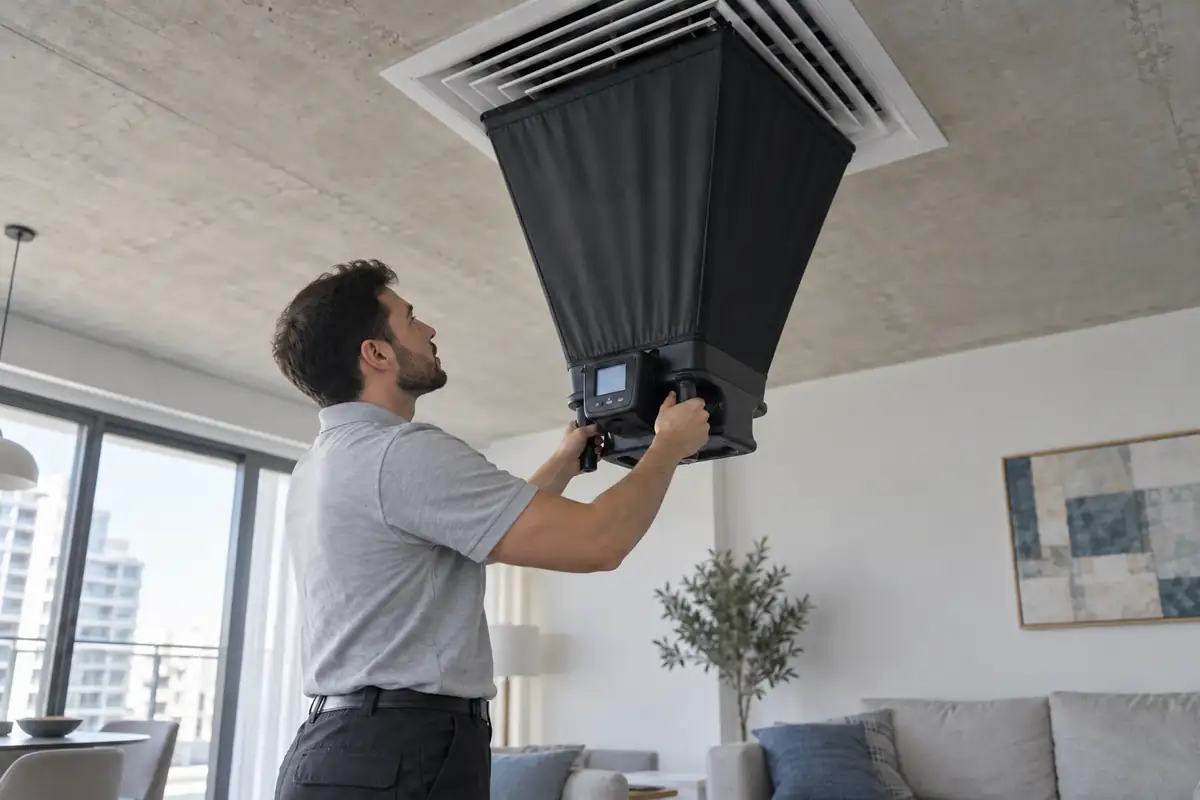
Plumbing and Water
Useful warning signs include:
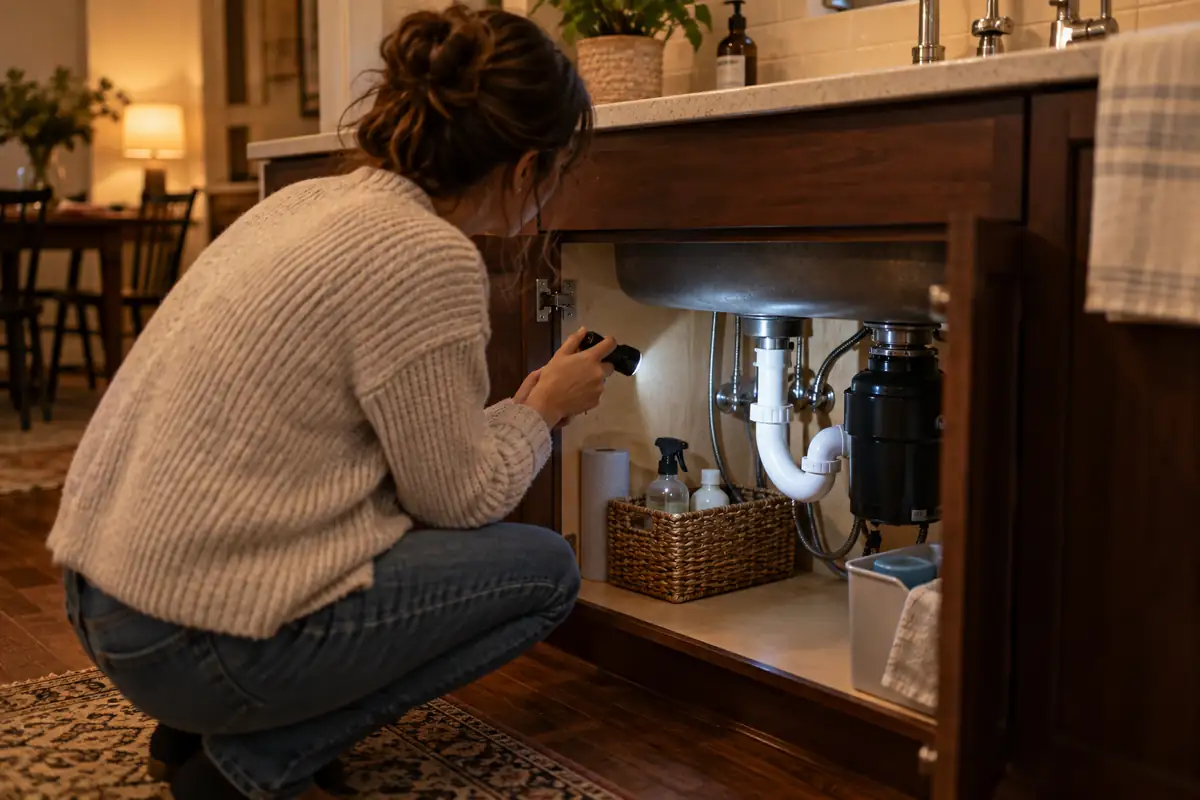
- Small leaks
- Dripping fixtures
- Recurring slow drains
- Changes in water pressure
- Moisture around plumbing fixtures
A small water problem may need closer attention if it persists or recurs.
Electrical Systems
Pay attention to:
- Breakers that trip repeatedly
- Flickering lights
- Damaged sockets
- Loose switches
- Unusual heat
- Burning or unusual smells
Electrical warning signs should not be treated as normal wear. Do not attempt internal electrical repairs unless you are qualified.
Moisture and Waterproofing Areas
Early signs may include:
- Damp patches
- Ceiling stains
- Peeling or bubbling paint
- Water around windows or doors
- Moisture that returns in the same place
The visible mark may not show the real source. Finding the cause is more useful than merely covering the damaged surface.
Doors, Locks, and Small Fittings
Preventive maintenance can also address minor problems.
Examples include:
- Loose handles
- Damaged hinges
- Doors becoming harder to close
- Locks becoming difficult to use
- Loose fittings
- Minor carpentry problems
A small fault may be easier to handle before a part becomes damaged or unusable.
What Changes a Home's Preventive Maintenance Needs?
Preventive maintenance should match the property rather than follow one fixed routine.
Property Type and Condition
Each home has its own systems and areas.
A villa or townhouse may include exterior walls, balconies, roof areas, a private pool, or a water tank.
An apartment or penthouse may have fewer exterior areas but can still develop AC, plumbing, electrical, moisture, and fixture problems.
Daily Use
Areas used often may show wear sooner.
This can include:
- Cooling systems
- Kitchens
- Bathrooms
- Doors
- Locks
- Plumbing fixtures
A lightly used property may have different maintenance needs from those of a home occupied every day.
Previous Problems
Past faults are useful signals.
If the same AC issue, leak, electrical fault, or damp area keeps returning, it deserves closer attention.
Property Features
Extra features may require additional maintenance.
These may include:
- Balconies
- Pools
- Water tanks
- Exterior walls
- Roof areas
- Outdoor fittings
Not every property needs the same preventive approach.
How Should You Prioritize Preventive Maintenance?
Not every maintenance issue is equally important.
A simple priority order is:
- Safety-related problems
- Active leaks or water damage
- Problems that keep returning
- Changes in system performance
- Normal wear and minor repairs
For example, a loose door handle is not as high a priority as sparking from an electrical outlet.
Start with risk, then recurring problems, then less urgent wear issues.
Can Preventive Maintenance Prevent Every Breakdown?
No. Preventive maintenance can cut down on some issues, but it can't ensure everything will work perfectly.
A part may fail without warning. A hidden fault may develop. A system may also require repair.
Preventive maintenance can still help by:
- Finding some problems earlier
- Showing when a fault recurs more often
- Reducing avoidable neglect
- Keeping maintenance history clear
- Helping you decide when further inspection is needed
The goal is better awareness, not zero repairs.
When Is Reactive Repair Necessary?
Reactive repair is needed when a problem occurs.
Examples include:
- An AC stops cooling
- A pipe starts leaking
- An electrical fitting fails
- A door lock breaks
- A fixture becomes unusable
- Water damage is present
At this stage, the goal is no longer prevention. The goal is to identify and repair the existing fault.
Some problems may also need more immediate action if they pose safety risks or involve active damage.
How Do You Build a Simple Preventive Maintenance Plan?
A preventive maintenance plan does not need to be complicated.
Start by:
- Knowing the main systems in your home.
- Keeping notes of previous faults.
- Giving safety and recurring issues higher priority.
- Recording important repairs or maintenance work.
- Paying attention when performance changes.
- Reviewing known problem areas before hotter months or extended travel.
- Using a separate home maintenance checklist when you need detailed inspection tasks.
A note on your phone, calendar, or spreadsheet may be enough. The aim is to know what has happened before and what may need attention next.

What Warning Signs Mean You Should Act Early?
Some signs should not be ignored for too long.
These include:
- Worsening AC performance
- Water leaks that recur
- Drains that keep getting blocked
- Breakers that trip repeatedly
- Dampness recurring in the same area
- Unusual heat or smell from an electrical source
- The same repair failing again
- Damage spreading to another part of the property
A repeated or worsening problem deserves more attention than a minor issue that does not return.
When Does Preventive Maintenance Need Professional Support?
Additional help may be needed when:
- Electrical safety is a concern
- A hidden leak may be present
- The source of a problem is unclear
- Specialist tools or access are required
- A fault keeps recurring
- More than one system may be involved
- The work may pose a safety risk
When asking for maintenance help, provide useful details such as:
- Property type
- Dubai area
- Affected room or system
- What you noticed
- When the issue started
- Whether it happened before
- Photos or videos where useful
- Repair history
Clear information can help determine the likely maintenance need.
Frequently Asked Questions
What is preventive home maintenance?
Preventive home maintenance is a planned process for identifying problems before they become more serious. It focuses on early warning signs, system condition, and maintenance.
What is the purpose of preventive maintenance?
Its purpose is to identify changes early, reduce the risk of neglect, track recurring problems, and make maintenance easier to plan. It does not guarantee that every breakdown can be prevented.
What are examples of preventive maintenance at home?
Examples include noticing changes in AC performance, fixing small plumbing leaks, watching for electrical warning signs, monitoring moisture levels, and addressing minor issues with fittings before they worsen.
What is the difference between preventive maintenance and reactive repair?
Preventive maintenance happens before a major failure and focuses on early action. Reactive repair happens after something has already developed a fault or stopped working properly.
Can preventive maintenance prevent every breakdown?
No. Some problems can happen without much warning. Preventive maintenance can help identify some issues earlier, but repairs may still be needed.
How do I create a simple preventive maintenance plan?
Identify the main systems in your home. Keep a record of past issues. Focus on safety and frequent problems. Notice any changes in system performance. Use a separate checklist for detailed inspection tasks.
What affects a home's preventive maintenance needs?
Factors like the property type, its condition, daily use, past issues, and features—such as balconies, pools, outdoor spaces, or water tanks—can all affect maintenance needs.
When should preventive maintenance involve a professional?
You should consider a professional for issues like electrical safety, hidden leaks, repeated faults, specialized tools, or when the cause of a problem isn’t clear.
Need Help With a Recurring Maintenance Problem?
If your Dubai home has a recurring issue or a system that needs attention, tell us the property type, affected area, warning signs, and any details about the job.
This will help us figure out what maintenance is needed.