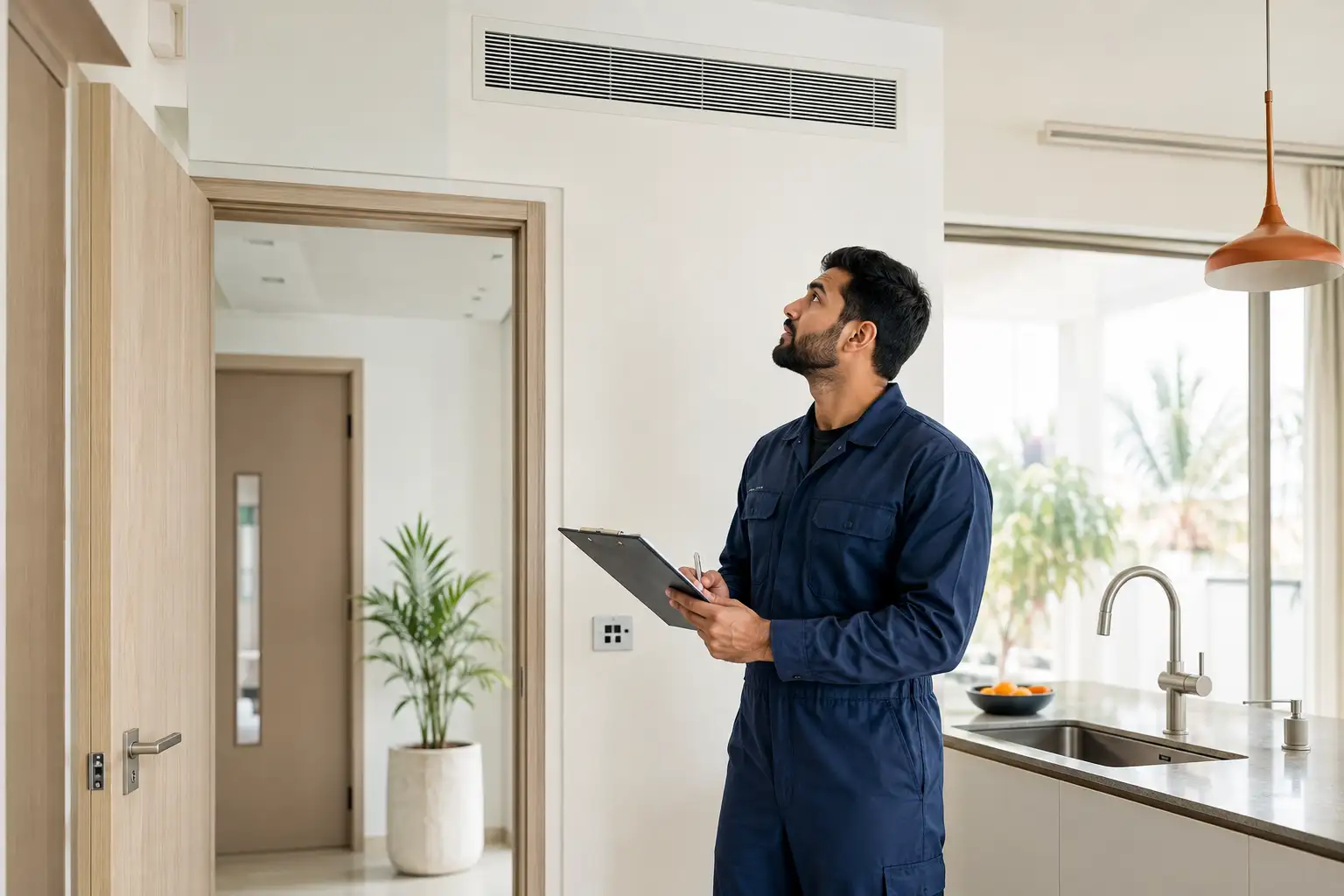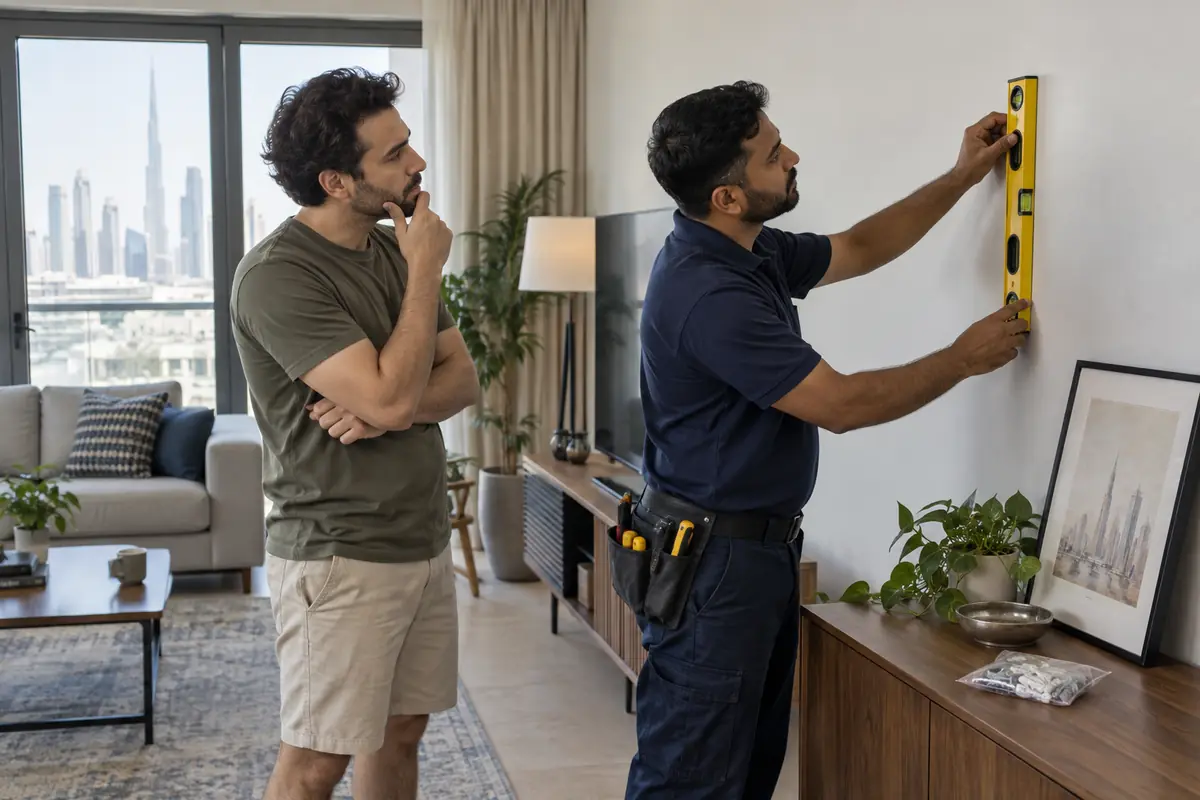


The best choice depends on the task.
DIY may make sense when the work is simple and low-risk. A professional handyman may be more suitable when the job is harder, needs accurate fitting, or could damage the property if done incorrectly.
Some jobs also need a specialist rather than a handyman.
Quick Answer: Should You DIY or Hire a Handyman?
DIY may make sense when:
- The task is simple
- You understand what needs to be done
- You already have the right tools
- The work is low-risk
- A mistake is unlikely to cause much damage
- No specialist system is involved
A handyman may be a better choice when:
- The task has several steps
- Accurate fitting matters
- Drilling or mounting is needed
- The item is heavy or awkward
- You do not have the right tools
- A previous attempt has failed
- A mistake could damage the wall, fitting, or item
If the problem is about electrical work, AC, plumbing, waterproofing, or structural issues, you might need a different expert.
DIY vs Professional Handyman at a Glance
| Factor | DIY May Suit | Handyman May Suit |
|---|---|---|
| Task | Simple and clear | Multi-step or unfamiliar |
| Skills | You know the process | Experience is useful |
| Tools | Already available | Special or several tools needed |
| Accuracy | Basic | Precise fitting matters |
| Damage risk | Low | Mistakes may damage property |
| Drilling | Simple and understood | Surface or fixing is unclear |
| Item size | Easy to handle | Heavy or awkward |
| Previous attempt | No problem | Earlier attempt failed |
| Specialist system | Not involved | Use the correct specialist instead |
When Does DIY Make Sense?
DIY can be reasonable when the job is simple and you understand how to complete it.
It may suit you when:
- Instructions are clear
- You know each step
- You already have the correct tools
- The task is easy to access
- The item is easy to handle
- The risk of property damage is low
- No technical system is involved
The size of a task does not always show how difficult it is. A small fitting can still be difficult if the fixing method, wall surface, or final position is unclear.
When Is a Professional Handyman the Better Choice?
A handyman may be more useful when the task needs more accuracy, tools, or practical experience.
This may include jobs where:
- Several parts need to line up
- Drilling is required
- Something must be mounted securely
- A heavy item needs to be positioned
- The right fixing is unclear
- You do not have the required tools
- The work has already failed once
- A mistake may damage the wall or item
The main benefit is not simply avoiding DIY.
It is choosing professional help when the task is outside your practical skills, tools, or comfort level.
How Difficult Is the Task?
Before starting, look at the whole job.
Ask yourself:
- Do I understand every step?
- Does the work need accurate alignment?
- Will the fixing need to hold weight?
- Is the surface unfamiliar?
- Are several parts involved?
- Could the task become harder after I start?
If you are unsure about several parts of the job, DIY may not be the easiest option.
Do You Have the Right Tools?
The correct tools can change whether a job is suitable for DIY.
A task may need equipment for:
- Measuring
- Leveling
- Assembly
- Drilling
- Fixing
- Holding an item in place
You do not need to buy several tools just to prove that a task can be done by yourself.
Ask a simpler question:
Do I already have the right tools, and do I know how to use them safely?
If not, a handyman may make more sense.
Could a Mistake Damage the Property?
This is one of the most useful decision factors.
A poor DIY attempt may lead to:
- Extra holes in a wall
- Damaged paint or finishes
- Poor alignment
- Loose mounting
- Broken fittings
- Damaged furniture
- A job is becoming harder to correct
The greater the possible damage, the stronger the reason to think carefully before starting.
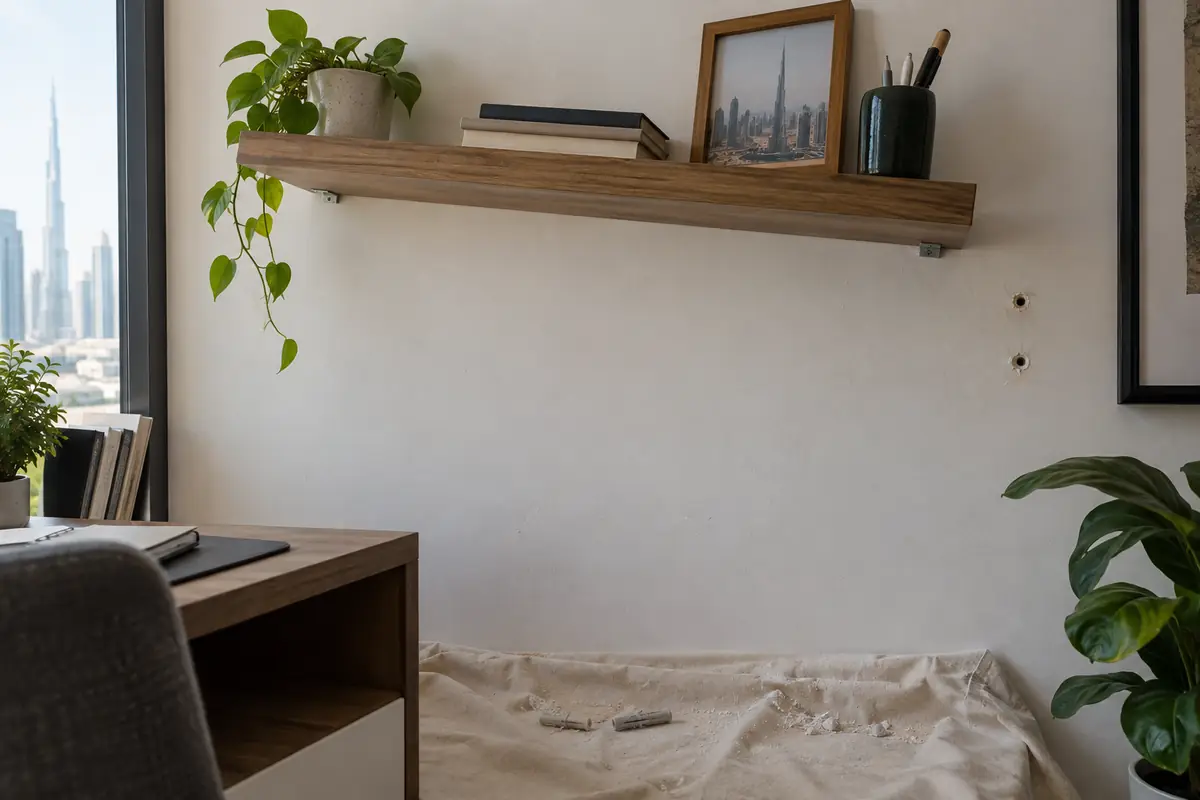
Does the Job Need Drilling, Mounting, or Heavy Lifting?
These tasks can become difficult even when the instructions look simple.
Extra care may be needed when:
- You do not know the wall material
- The correct fixing is unclear
- The item is heavy
- The final position must be accurate
- An old fixing point is damaged
- You are unsure what may be behind the surface
- The item is difficult to hold in position
This can apply to tasks such as TV mounting, curtain installation, and other wall fittings. If you are unsure about the surface or fixing method, avoid guessing.
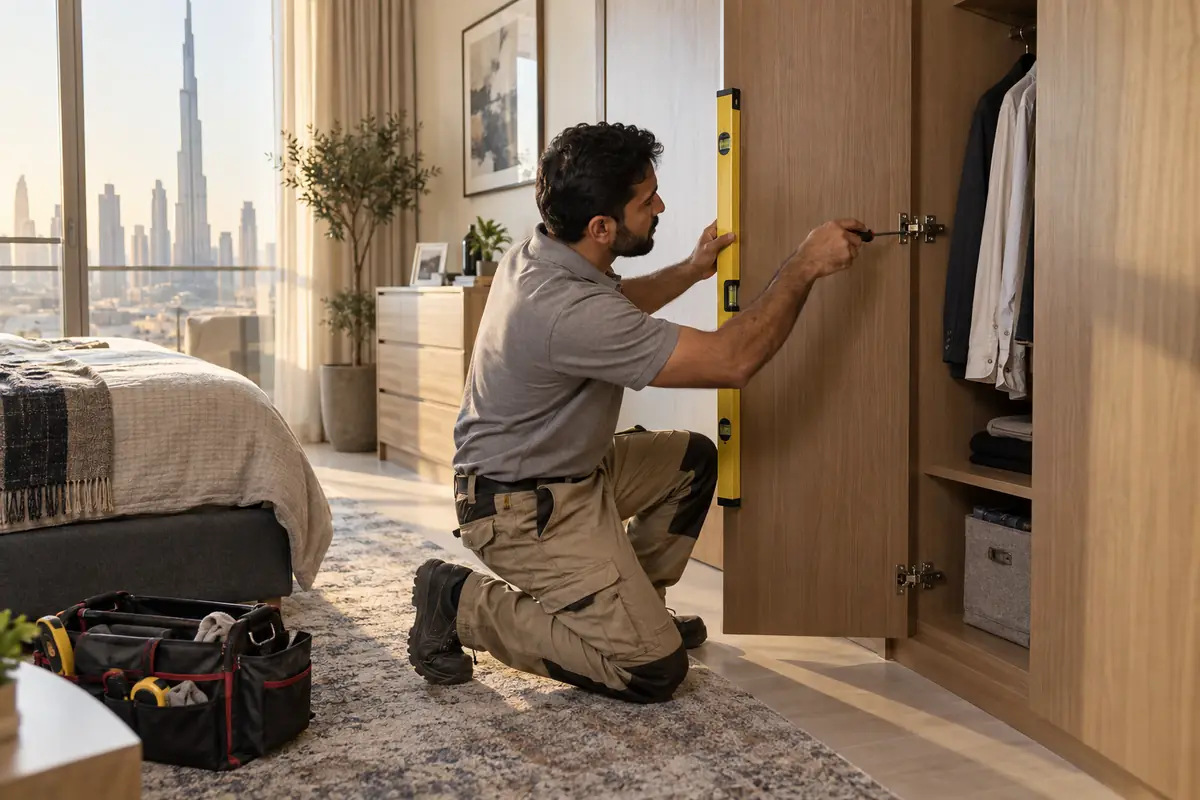
Has the DIY Repair Already Failed?
A failed first attempt is a good reason to reconsider the task.
Examples include:
- A fitting becomes loose again
- A mounted item starts moving
- A door adjustment stops working
- Furniture becomes unstable
- The same small repair keeps returning
Repeating the same fix may not solve the reason it failed. A handyman may need to check the fitting, hardware, alignment, or installation methods.
Does DIY Save More Time?
Sometimes.
If you already know the task and have the tools, DIY may be quick.
But it can take longer when you need to:
- Learn the process
- Find tools
- Measure again
- Correct mistakes
- Remove a failed fix
- Repeat the work
Consider the full job, not only how quickly you can begin.
Is DIY Always Cheaper Than Hiring a Handyman?
No. DIY may cost less when you already have the tools, materials, and skills.
The total cost can rise if you need:
- New tools
- Extra materials
- Replacement fittings
- Parts damaged during the first attempt
- Professional help after the work fails
Cost matters, but it should not be the only factor. Difficulty, time, accuracy, and damage risk also matter.
What Types of Jobs May Suit a Handyman?
A handyman may be useful for small practical tasks such as:
- Furniture assembly
- TV mounting
- Curtain installation
- Door and lock adjustments
- Small fitting work
- General minor home repairs
This is not a fixed rule. The actual task determines whether handyman work or another specialist service is more suitable.
When Is a Handyman Not the Right Professional?
A handyman should not be treated as the right choice for every home problem.
A specialist may be more appropriate for:
- Electrical faults
- Technical plumbing problems
- AC faults
- Waterproofing problems
- Structural damage
- Major renovation work
- Other technical systems
For example, mounting a curtain may suit a handyman's work. A breaker that keeps tripping needs a different type of assessment. Sometimes the decision is not only:
DIY or handyman?
It is:
DIY, handyman, or specialist?
How Do You Decide Before Starting?
Use these seven questions:
- Is the task simple?
- Do I understand how to complete it?
- Do I already have the correct tools?
- Could a mistake damage the item or property?
- Does it involve drilling, mounting, height, or a heavy item?
- Has the same task already failed?
- Does the work involve a specialist system?
If the task is simple, clear, low-risk, and within your skills, DIY may be reasonable. If several answers create uncertainty, a handyman or the correct specialist may be the better choice.
Common DIY vs Handyman Decision Mistakes
Avoid:
- Assuming every small job is easy
- Starting without the right tools
- Drilling without understanding the surface
- Repeating the same failed repair
- Ignoring the weight of a mounted item
- Choosing DIY only because it looks cheaper
- Assuming a handyman can handle every trade
- Continuing after the task becomes more complex than expected
The best decision starts before the work begins.
Frequently Asked Questions
Is it better to DIY or hire a handyman?
It depends on the task. DIY can suit simple, low-risk work you already understand. A handyman may be more suitable when the job needs accurate fitting, drilling, mounting, assembly, or tools you do not have.
Is DIY always cheaper than hiring a handyman?
No. DIY may cost less when you already have the tools and materials. Extra tools, replacement parts, mistakes, and repeat work can increase the total cost.
What jobs can I reasonably do myself?
Simple tasks with clear instructions may be reasonable if you have the right tools and skills. Technical electrical, AC, plumbing, structural, and similar work should not be treated as basic DIY.
When should I hire a handyman?
You might need a handyman for small home tasks that require precise fitting, assembly, mounting, or drilling. They can also help with adjustments or any practical work beyond your skills.
When should I stop trying a DIY repair?
Stop if the task gets tougher than you thought, the repair keeps failing, you don't have the right tools, or another try might cause more damage.
Should I hire a handyman for TV mounting?
A handyman may be useful when a TV needs accurate positioning and secure mounting. The right approach depends on the TV, mount, wall, and fixing requirements.
Is furniture assembly a handyman job?
It can be. Professional assembly may be useful for large, complex, or difficult-to-position furniture.
How do I know if I need a handyman or a specialist?
Look at the system involved. Small fitting, mounting, assembly, and adjustment work may suit a handyman. Electrical faults, AC problems, technical plumbing work, waterproofing failures, or structural concerns may need the relevant specialist.
How should I prepare for a handyman visit?
Share the task, property type, Dubai area, item or fitting involved, and anything already attempted. Photos may also help explain the job.
Need Help With a Small Home Task?
If you need help with furniture assembly, TV mounting, curtain installation, door fitting, or any other small repair, tell us about the property type, the Dubai area, and the task. Mention anything you've already tried with RapidixHome.
This helps us know if you need handyman work or another specialist service.