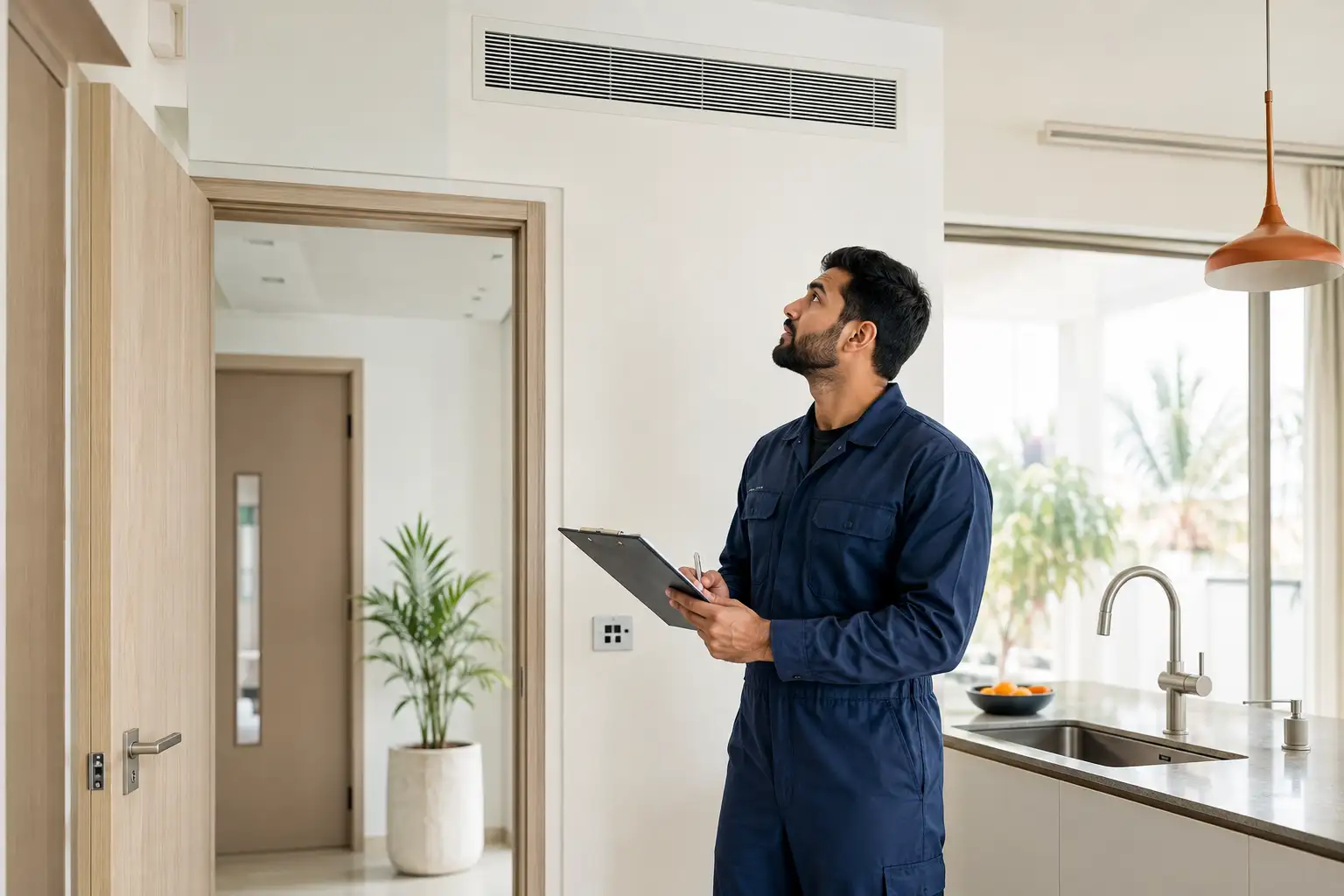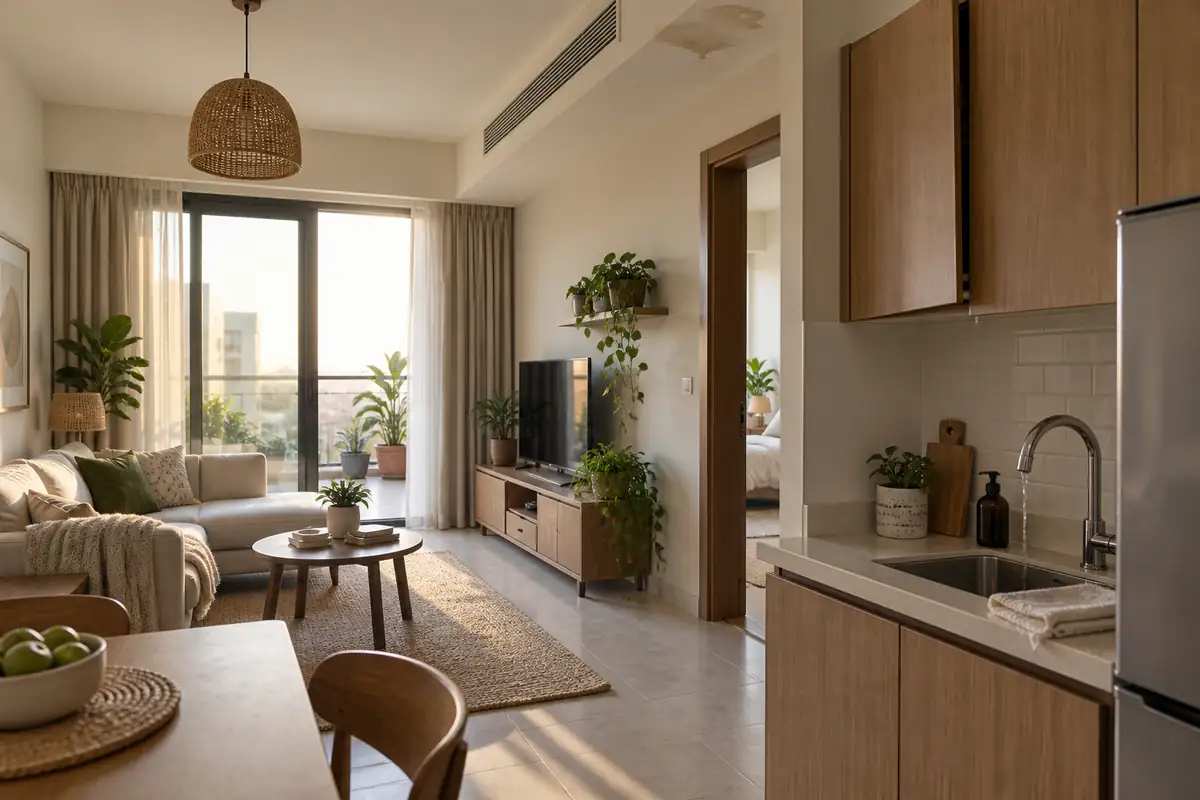


Wall condition, moisture, old paint, surface repairs, and paint suitability can all affect the results.
These home painting tips can help you check whether a surface is ready for painting and what should be handled first.
Quick Home Painting Tips
Before painting your home:
- Inspect the surface for damage
- Fix active leaks and dampness first
- Repair suitable cracks and holes
- Deal with loose or peeling paint
- Clean the surface
- Protect furniture, floors, and nearby fittings
- Choose paint for the correct surface and location
- Choose a finish that suits the room
- Use primer when the surface or paint system needs it
- Test the color or finish before painting a large area
- Check surface and weather conditions before exterior painting
- Do not rush preparation
The main rule is simple:
Do not use fresh paint to hide an unresolved maintenance problem.
1. Inspect the Surface Before Choosing Paint
Start with the wall, not the color.
Look for:
- Peeling
- Flaking
- Bubbling
- Cracks
- Holes
- Stains
- Damp patches
- Loose plaster
- Old repair marks
- Failed paint
These signs can change the amount of preparation or repair needed. A wall that looks fine from a distance may still have problems beneath the existing finish.
2. Fix Leaks and Dampness Before Painting
Painting over moisture does not fix the source of the moisture.
Look for:
- Active plumbing leaks
- Damp patches that return
- Water ingress
- Failed waterproofing
- Moisture marks with an unknown cause
A new coat may cover a stain, but the mark can return if the underlying problem remains. The leak, waterproofing problem, or other moisture sources should be addressed before repainting.
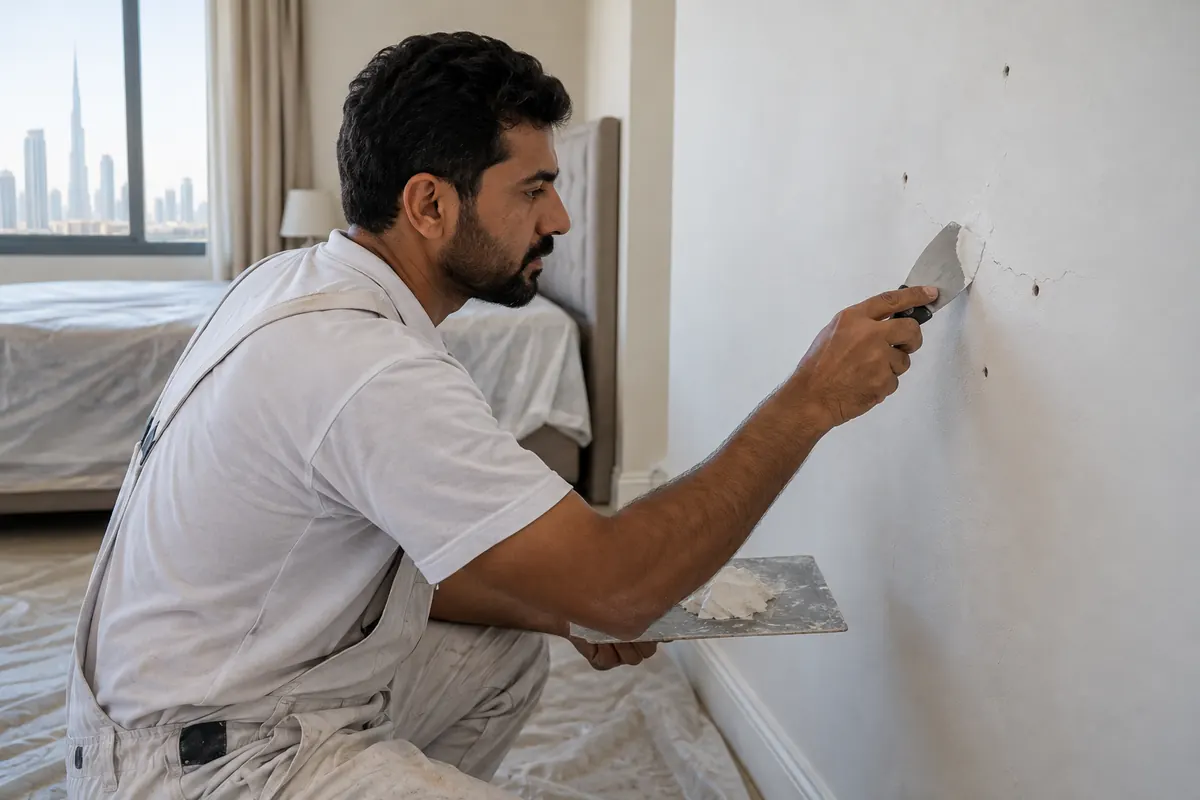
3. Repair Surface Damage First
Surface defects can remain visible after painting or affect the new finish.
Preparation may include dealing with:
- Small holes
- Suitable minor cracks
- Old patch areas
- Loose surface materials
- Unevenly repaired sections
Not every crack is merely cosmetic. A large or recurring crack may need further assessment before it is filled and painted.
4. Do Not Paint Over Loose or Peeling Paint
New paint needs a stable surface. If the old coating is already loose, another coat does not make the layer below it sound.
Check for:
- Peeling paint
- Flaking
- Bubbling
- Loose coating
- Weak plaster
- Failed old paint
The unstable material should be addressed before repainting.
5. Can You Paint Over Existing Paint?
Sometimes existing paint may be suitable for repainting when:
- It is stable
- It is not peeling or flaking
- There is no active moisture problem
- The surface is properly prepared
- The new coating is suitable for the surface
Do not treat every old-painted wall the same way. Its condition matters more than its age alone.
6. Clean and Prepare the Surface
Dust, dirt, and residue can affect the painting surface.
Check for:
- Dust
- Dirt
- Marks
- Loose material
- Residue from previous repairs or work
The wall should be clean and stable before painting starts. Avoid using cleaning products or methods without checking whether they suit the surface.
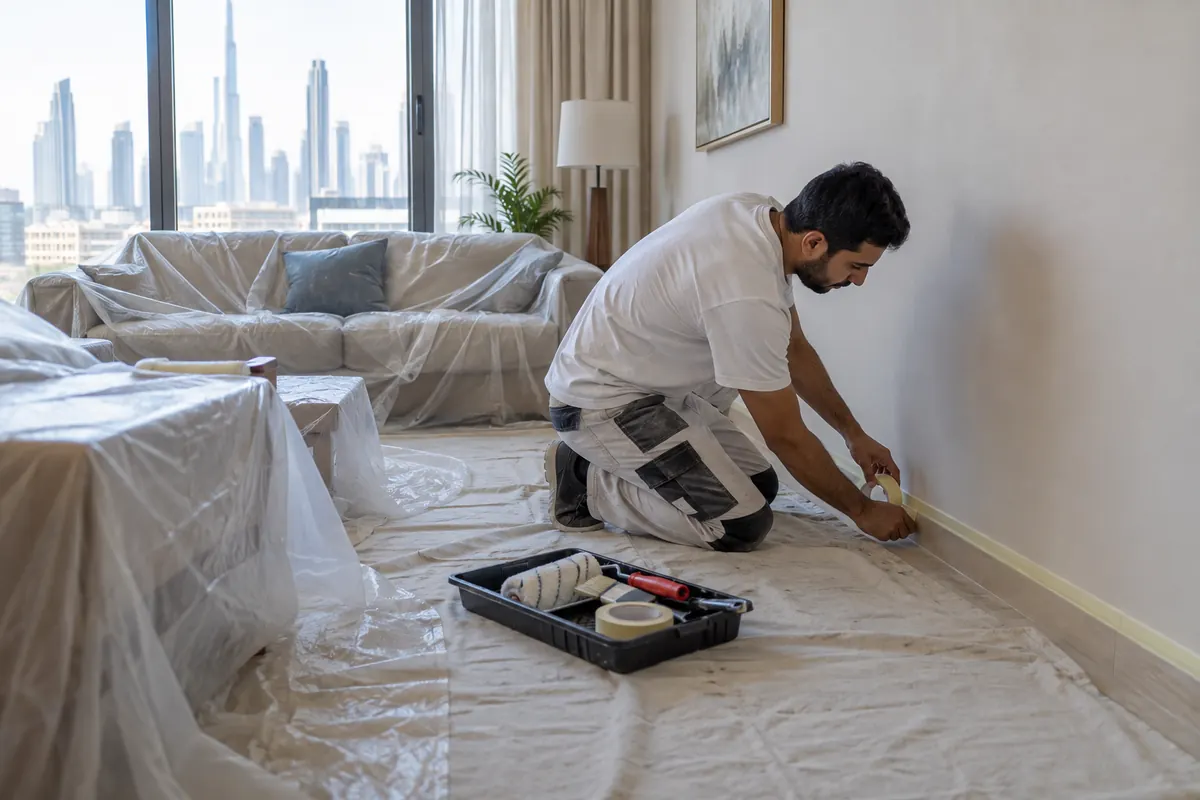
7. Protect Furniture, Floors, and Nearby Fittings
Think about the full work area before painting begins.
Consider:
- Furniture
- Floors
- Doors
- Fixtures
- Wall-mounted items
- Nearby finishes
- Items blocking access to the wall
Planning the area first helps reduce accidental marks and makes the surface easier to reach.
8. Choose Paint for the Actual Surface and Location
Color is only one part of paint selection.
Also consider:
- Whether the surface is indoors or outdoors
- Surface material
- Existing coating
- Wall condition
- Moisture or outdoor exposure
- Product guidance
Interior and exterior surfaces face different conditions. Use a coating intended for the location and surface being painted.
9. Choose the Finish Based on the Room
There is no single finish that suits every room.
Consider:
- How the space is used
- Cleaning needs
- Surface condition
- Existing finish
- Desired appearance
- Product suitability
The finish should suit the actual room rather than being chosen only because it looks good on a sample.
10. Do You Need Primer Before Painting?
Not every surface needs the same preparation.
Primer requirements can depend on:
- Bare areas
- Repairs
- Stains
- Surface material
- Previous coating
- The paint system being used
Do not assume primer is always required or is never required. The condition of the surface and product guidance should decide.
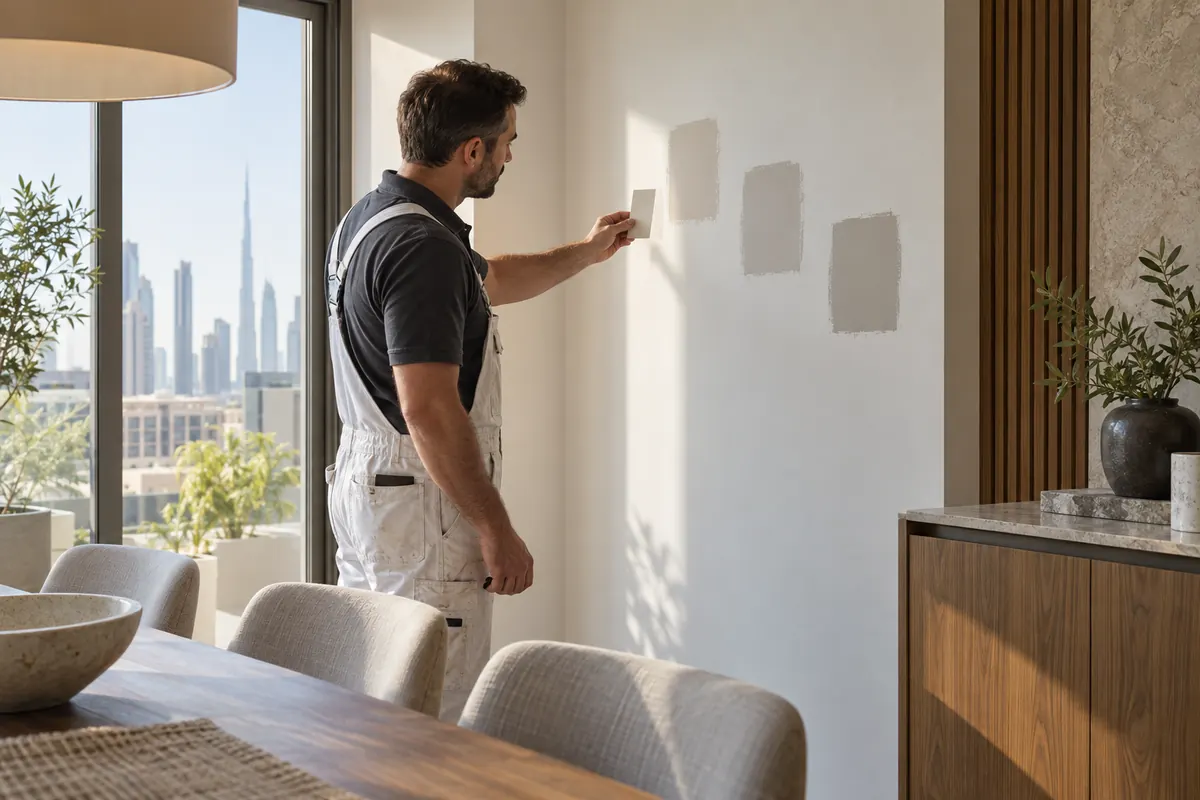
11. Test the Color or Finish First
A small test area can help you see how the selected paint looks in the actual space.
Its appearance can change with:
- Natural light
- Indoor lighting
- Nearby surfaces
- Existing colors
Testing before painting a large area can help confirm that the selected color and finish work in the room.
12. Plan Interior and Exterior Painting Differently
Interior and exterior painting needs different planning.
For interior work, consider:
- Furniture
- Room access
- Occupied spaces
- Ventilation
- Nearby fittings
For exterior work, consider:
- Wet surfaces
- Dust
- Rain
- Outdoor heat
- Existing surface damage
- Incomplete repairs
- Product application conditions
There is no single Dubai month that is right for every exterior painting project; the actual surface and conditions matter.
What Are the Most Common Home Painting Mistakes?
Common mistakes include:
- Painting over dampness
- Ignoring peeling or loose paint
- Skipping needed repairs
- Painting an unstable surface
- Choosing paint only by color
- Using paint without checking whether it suits the location
- Assuming primer is always needed
- Assuming primer is never needed
- Painting over unexplained stains
- Starting before repairs are complete
- Rushing preparation
Many painting problems begin before the new coat is applied.
What Should Happen Before Painting Starts?
A simple order is:
- Inspect the surface
- Look for moisture, cracks, or other damage
- Fix any underlying problems
- Complete suitable surface repairs
- Clean and prepare the wall
- Protect nearby items and finishes
- Confirm paint and primer suitability
- Check that the conditions are suitable for painting
This keeps the focus on surface readiness rather than painting over an unresolved problem.
When Should Repair Come Before Painting?
Repair should come first when there is:
- An active water leak
- Recurring dampness
- Failed waterproofing
- Significant cracking
- Loose plaster
- Damaged wall material
- Repeated bubbling or peeling
- Another unresolved maintenance issue
Painting improves the finish; it does not fix the cause of a leak, waterproofing failure, or a damaged wall.
How Do You Know a Surface Is Ready for Painting?
Before starting, ask:
- Has the source of any moisture been fixed?
- Is the surface stable?
- Has loose paint been dealt with?
- Are the required repairs complete?
- Is the surface clean?
- Is the selected coating suitable?
- Are the work conditions appropriate?
If an underlying defect is still active, painting may be too early.
Frequently Asked Questions
What should I check before painting my home?
Check for peeling paint, cracks, holes, stains, dampness, loose plaster, old repairs, and other surface damage before choosing the new finish.
Can I paint over old paint?
Sometimes, if the existing coating is stable and the surface is properly prepared, repainting may be possible. Do not simply cover loose, peeling, damp, or failed paint.
Should cracks be repaired before painting?
Suitable minor surface cracks should normally be addressed first. Large or recurring cracks may need further assessment.
Can I paint over a damp wall?
Painting should not be used as the solution to active dampness. Find and address the moisture source before repainting.
Do I always need a primer?
No. Primer needs depend on the surface, bare areas, repairs, stains, existing coatings, and paint systems.
What is the biggest home painting mistake?
One of the biggest mistakes is painting before the surface is ready. Moisture, loose paint, cracks, and other defects should be addressed first.
How long should a paint finish last?
There isn't a specific lifespan for all painted surfaces. Factors like surface condition, prep work, moisture, room use, outdoor exposure, coating type, and maintenance impact how well the finish lasts.
When should I get professional painting help?
You might need professional help if the project is large, access is tough, or prep work is extensive. Also, consider it if previous paint has failed or if you are unsure about the necessary repairs.
Planning a Home Painting Project?
If your Dubai home needs painting, tell RapidixHome about your property type, area, and surfaces. Also, mention the current paint condition and any visible issues, like cracks, peeling, stains, or moisture.
This information helps us decide if the surface is ready for painting or if repairs are needed first.